
Curious about the financial implications of getting a divorce in 2026? Dive into the complexities of divorce costs with us as we unravel the various factors, average costs, hidden expenses, and ways to reduce the financial burden.
Let's take a closer look at how divorce costs in 2026 are influenced by a multitude of elements, shedding light on what to expect in the realm of divorce proceedings.
Factors influencing the cost of a divorce in 2026
When considering the cost of a divorce in 2026, various factors come into play that can significantly impact the overall expenses involved. Changes in laws and regulations, as well as the choice of legal representation, play a crucial role in determining how much a divorce may cost.
Legal Fees
Legal fees are a major factor influencing the cost of a divorce. The complexity of the case, the hourly rates of the attorneys, and the need for additional services such as expert witnesses or forensic accountants can all contribute to higher legal fees.
Division of Assets
The division of assets during a divorce can also affect the overall cost. Disputes over property, investments, retirement accounts, and other assets can lead to lengthy legal battles and increased expenses.
Child Custody and Support
Child custody and support arrangements are another factor that can impact the cost of a divorce. Determining custody schedules, visitation rights, and calculating child support payments can involve legal fees and court costs.
Alimony
The payment of alimony, also known as spousal support, can add to the cost of a divorce. Negotiating the terms of alimony payments and ensuring compliance with the court's orders may require legal assistance and increase expenses.
Mediation and Collaborative Divorce
Opting for mediation or collaborative divorce instead of traditional litigation can help reduce costs. These alternative dispute resolution methods involve working with a neutral third party to reach agreements outside of court, potentially saving time and money.
Changes in Laws and Regulations
Changes in laws and regulations governing divorce proceedings can also impact costs. New legislation may affect alimony calculations, property division rules, or child custody guidelines, leading to adjustments in legal strategies and expenses.
Choice of Legal Representation
The choice of legal representation can significantly influence the cost of a divorce. Hiring experienced attorneys with higher hourly rates may result in greater expenses, but it can also lead to more efficient resolution of the case.
Average costs of a divorce in 2026
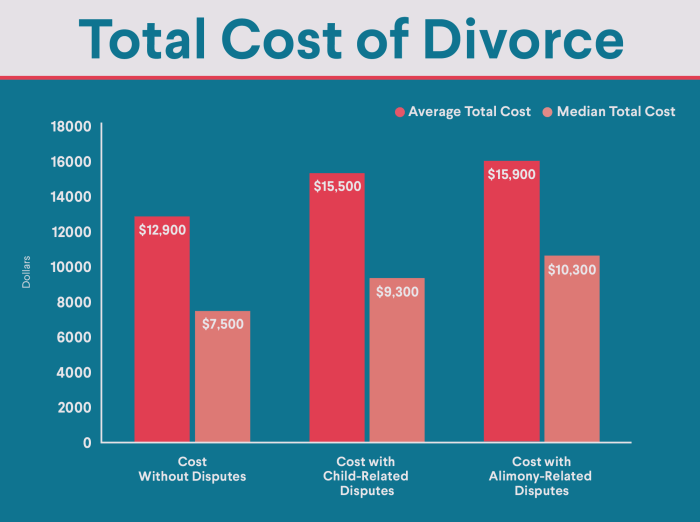
In 2026, the average cost of a divorce can vary significantly depending on various factors such as the region, the complexity of the case, and whether it is contested or uncontested. Let's explore the average costs associated with divorces in different regions, compare the expenses of contested versus uncontested divorces, and analyze trends in divorce costs over the years to predict future changes.
Average Cost of a Divorce in Different Regions
The average cost of a divorce can differ based on the region where the divorce is taking place. For example, in urban areas with higher living costs, legal fees and court expenses may be higher compared to rural areas. On average, a divorce in major cities like New York or Los Angeles may cost more than a divorce in a smaller town or suburb.
Comparison of Contested vs. Uncontested Divorces
Contested divorces, where the spouses cannot agree on key issues such as child custody, alimony, or property division, tend to be more expensive than uncontested divorces. In a contested divorce, legal fees can quickly escalate as both parties engage in lengthy court battles.
On the other hand, uncontested divorces, where couples can reach a mutual agreement, are typically less costly as they involve less litigation.
Trends in Divorce Costs Over the Years and Future Predictions
Over the years, divorce costs have shown fluctuations influenced by various economic and social factors. With the advancement of technology and alternative dispute resolution methods, such as mediation and collaborative divorce, the overall cost of divorces may show a downward trend in the future.
However, as legal complexities and asset distribution become more intricate, there might be an increase in divorce costs in certain regions.
Hidden or unexpected expenses in a divorce
When going through a divorce, it is crucial to be aware of hidden or unexpected expenses that can arise during the process. These costs can catch individuals off guard and significantly impact their finances if not properly accounted for. Understanding these potential expenses and planning for them can help mitigate financial stress in the long run.
Legal Fees and Court Costs
Legal fees and court costs are often the most significant expenses in a divorce. While individuals may anticipate these costs, they can add up quickly, especially if the divorce becomes contentious or drawn out. It is essential to have a clear understanding of your attorney's fees, court filing fees, and any other legal expenses that may arise during the proceedings.
Property Division
Dividing assets and liabilities during a divorce can also lead to unexpected expenses
Alimony and Child Support
Alimony and child support obligations can be major ongoing expenses post-divorce. While these payments are typically determined during the divorce settlement, changes in circumstances or disagreements can lead to legal battles and increased costs. It is crucial to factor in these potential expenses and plan accordingly to avoid financial strain in the future.
Tax Implications
Tax implications of a divorce can often be overlooked but can have a significant impact on individuals' finances. Changes in filing status, dependency exemptions, and property transfers can all affect tax obligations. Consulting with a tax professional during the divorce process can help individuals understand and prepare for any tax consequences that may arise.
Counseling and Therapy
The emotional toll of a divorce can be substantial, and many individuals may require counseling or therapy to cope with the stress and emotional challenges. These expenses are often unexpected but essential for mental health and well-being during and after the divorce process.
It is essential to prioritize self-care and allocate funds for any necessary counseling services.
Mitigating Unexpected Costs
To mitigate unexpected costs during a divorce, individuals should strive to maintain open communication with their legal counsel, be proactive in addressing financial issues, and seek alternative dispute resolution methods, such as mediation or collaborative divorce. Planning ahead, being transparent about finances, and seeking professional guidance can help individuals navigate the divorce process more effectively and reduce the risk of unexpected expenses.
Ways to reduce the cost of a divorce in 2026
Divorce can be a costly process, but there are ways to minimize expenses and make it more affordable. By taking proactive steps and considering cost-saving measures, individuals can effectively reduce the financial burden associated with divorce proceedings.
Cost-Saving Measures During Divorce Proceedings
When going through a divorce, it is crucial to consider the following cost-saving measures:
- Opt for mediation instead of litigation: Mediation is often a more cost-effective alternative to traditional courtroom battles. It allows couples to work together with a neutral mediator to reach mutually beneficial agreements, saving both time and money.
- Be transparent about finances: Providing full and accurate financial information from the outset can prevent costly delays and disputes later on. Transparency can help streamline the process and minimize legal fees.
- Consider collaborative divorce: Collaborative divorce involves a team-based approach where both spouses, along with their respective attorneys, work towards a settlement without going to court. This method can be more cost-effective and less adversarial than litigation.
Comparison of Mediation vs. Litigation in Divorce Cases
Mediation and litigation are two common paths in divorce cases, each with its own costs and benefits:
| Mediation | Litigation |
|---|---|
| Less expensive | Costlier due to court fees and attorney expenses |
| Quicker resolution | Lengthy court proceedings can lead to higher costs |
| Promotes cooperation and compromise | Can be adversarial and contentious |
Importance of Financial Planning and Budgeting
Financial planning is essential during a divorce to ensure stability and avoid unnecessary expenses:
- Create a post-divorce budget: Understanding your financial needs post-divorce can help you make informed decisions during the settlement negotiations.
- Consult with a financial advisor: Seeking professional guidance can help you navigate complex financial matters and plan for the future.
- Avoid impulsive decisions: Making hasty financial choices during a divorce can lead to regrets later on. Take the time to assess your options and make sound financial decisions.
Final Wrap-Up
In conclusion, understanding the intricacies of divorce costs in 2026 is essential for anyone navigating this challenging process. By being informed about the factors at play and the strategies to minimize costs, individuals can approach divorce proceedings with greater clarity and control over their financial future.
Query Resolution
What are some factors that can impact the cost of a divorce?
Factors like legal representation, geographical location, complexity of assets, and court fees can all influence the overall cost of a divorce.
How does the cost of a contested divorce compare to an uncontested one?
Contested divorces generally tend to be more expensive due to prolonged legal proceedings and court appearances, whereas uncontested divorces are usually quicker and therefore less costly.
What are some hidden expenses individuals might overlook during a divorce?
Hidden expenses may include tax implications of asset division, costs of selling shared property, or expenses related to child custody arrangements.
Is mediation a cost-effective alternative to litigation in divorce cases?
Mediation is often more cost-effective than litigation, as it involves resolving disputes outside of court with the help of a neutral mediator, saving both time and money.
Why is financial planning important during a divorce?
Financial planning is crucial during a divorce to ensure that both parties are aware of their financial situation, can make informed decisions, and avoid unexpected costs or financial hardships post-divorce.






![[OC] Landlord vs Tenant Responsibilities : r/Infographics](https://discovery.gamevibes.life/wp-content/uploads/2026/05/Landlord-Tenant-Laws-Rights-and-Obligations-Explained-120x86.png)